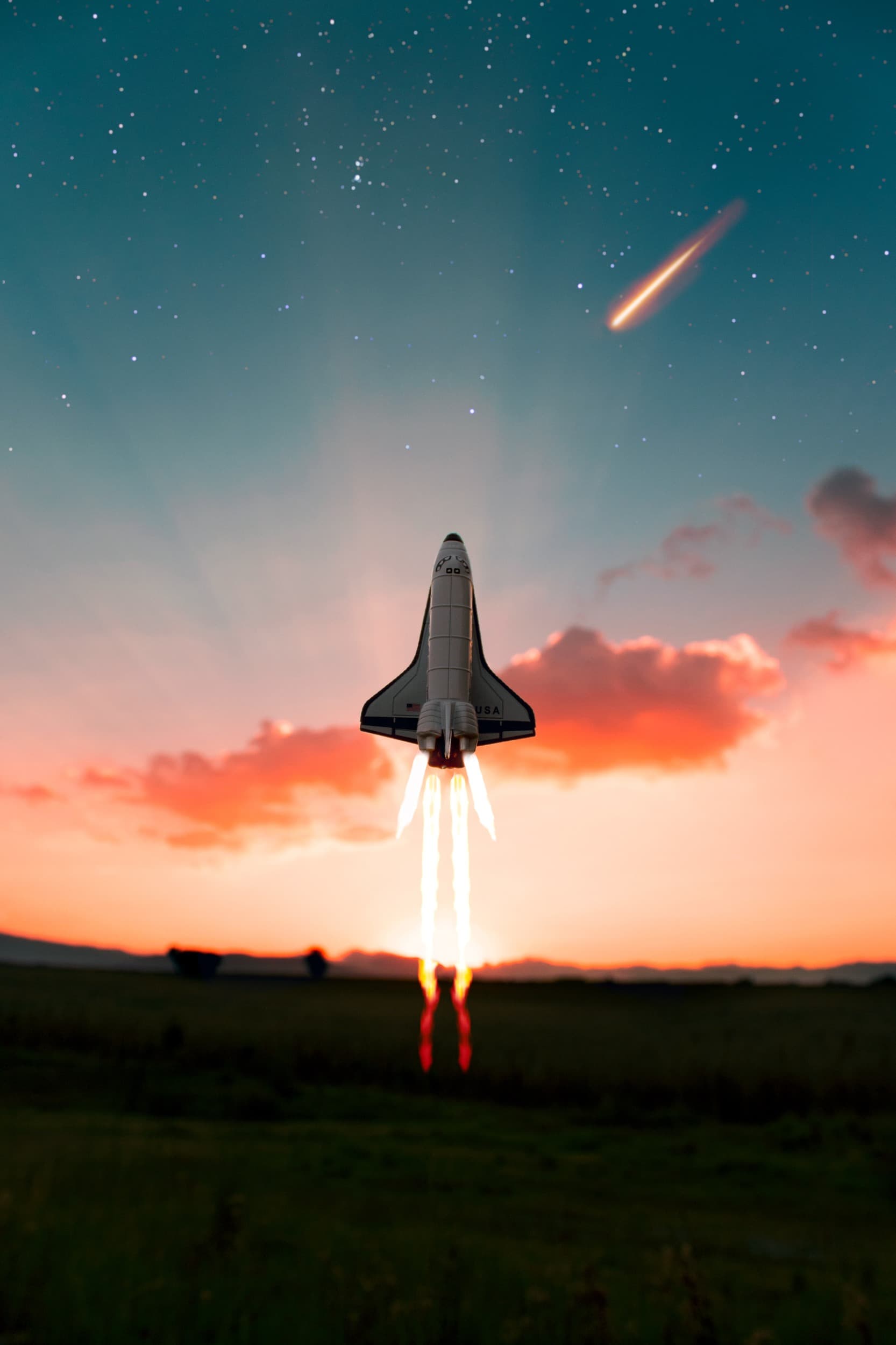
For decades, a launch was treated as a singular event. Hardware was expended, schedules were measured in long campaigns, and every mission carried the weight of a bespoke program.
Reusability changed more than the cost model. It changed the learning loop. When major parts of a launch system return, teams can inspect real flight hardware, compare it with telemetry, and feed those lessons into the next mission.
Cadence is now a strategic capability. A provider that can fly often can spread fixed costs across more missions, give customers more schedule options, and develop operational muscle that is difficult to copy from a slide deck.
The open question is how far that logic travels. Full reusability, on-orbit servicing, and faster payload integration would turn launches from exceptional events into a more recognizable form of logistics.